
Website Conversion Optimization
Boosted conversion from 16% to 57%, through research-driven, iterative design for a healthcare website.
Context
In Pharmaceutical Laboratories, we can't sell medicines directly on our website, we have to direct users to the e-commerce pharmacies partners.
The existing product detail pages (PDPs) had a low conversion rate — only 16% of users completed the conversion action for partner sites.
Challenge
The goal for the year was to achieve a 30% conversion rate on the Product Detail Page (PDP).
The goal of the project was to identify usability barriers and redesign the experience to increase conversion.
Understand the current state

Explore theproblem
Design thesolution
Measure theresults
Design Process
We adopted a data-informed design approach, combining quantitative analysis (Google Analytics, Hotjar) with qualitative research (usability testing and user interviews).
This allowed us to iterate prototypes quickly between discovery and delivery, validating hypotheses before moving into production.
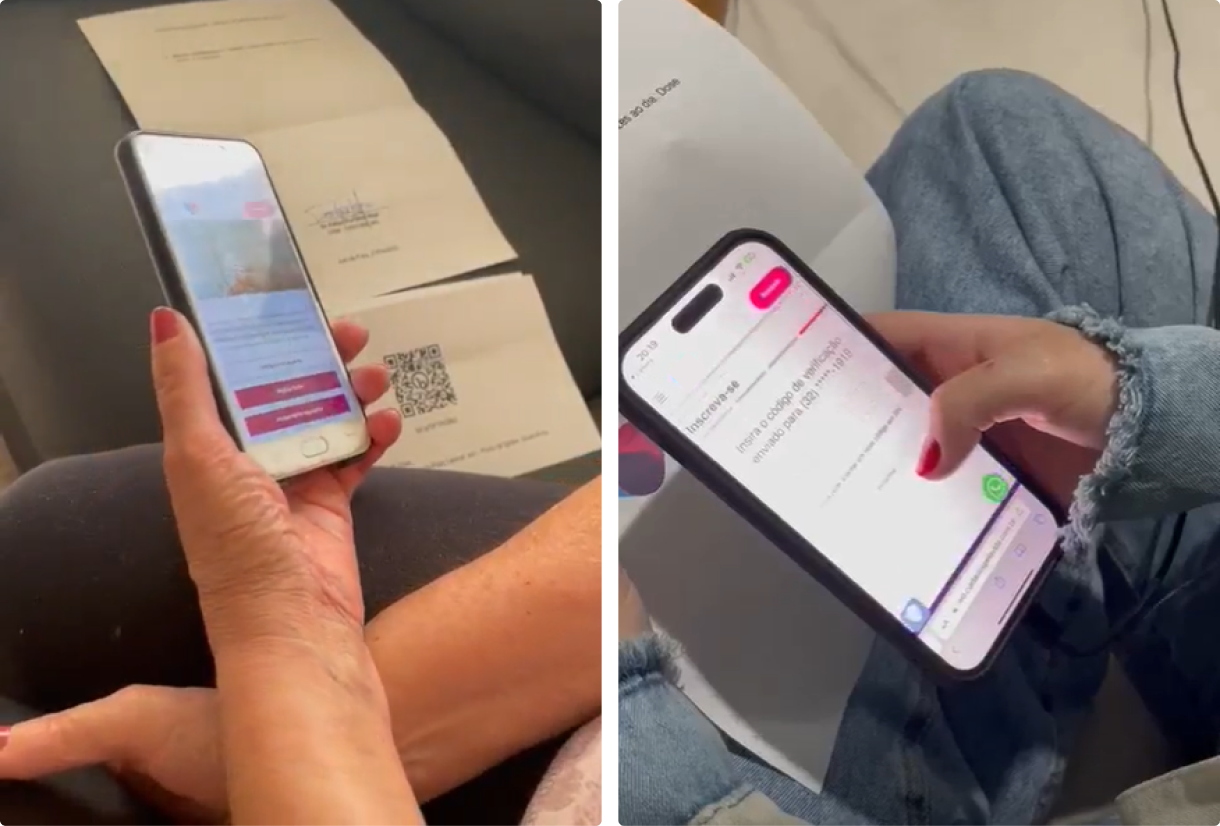
Usability Testing
Key insights
- Users don’t choose their medication — they find it. We needed to highlight search features and make navigation more intuitive.
- The “Golden Path” doesn’t always happen in practice. Many users, for example, navigate from the homepage directly to a PDP.
- Too many choices hurt conversion — the classic “paradox of choice.” We needed to reduce visible options and reveal them only when relevant.
The Outcome
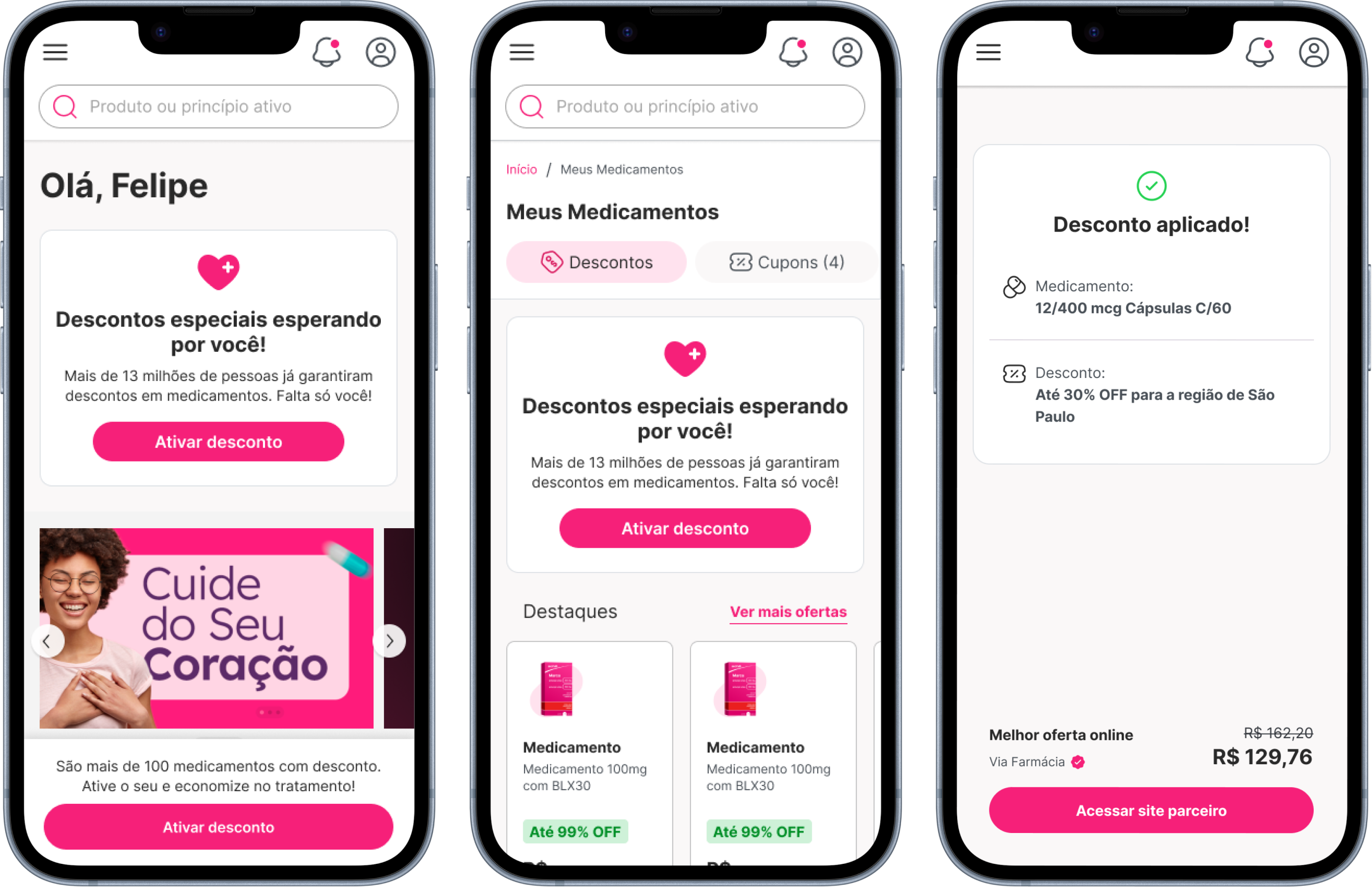
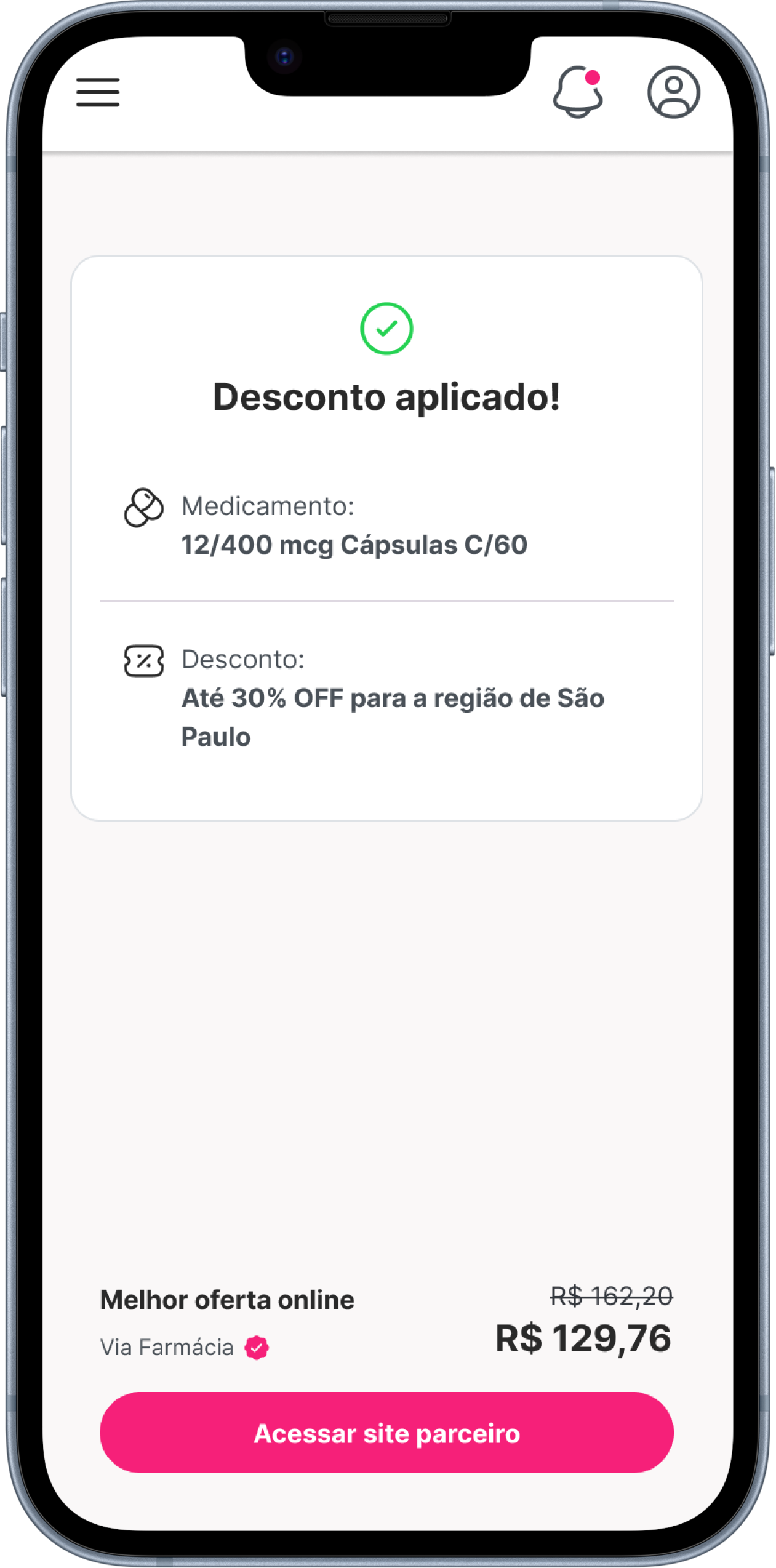
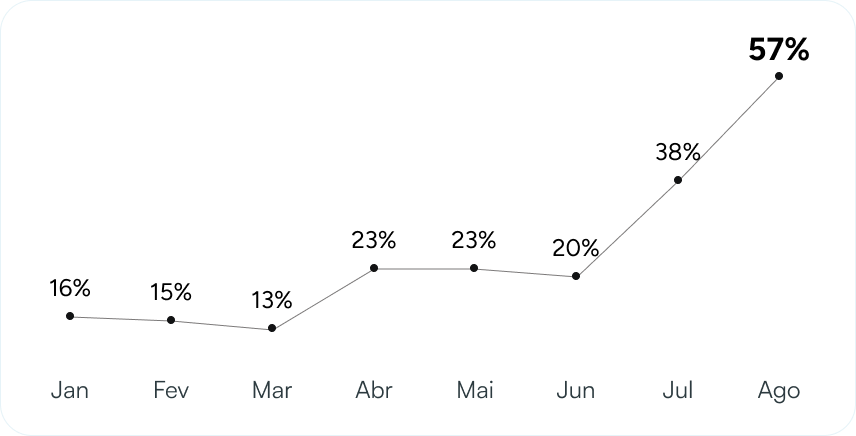
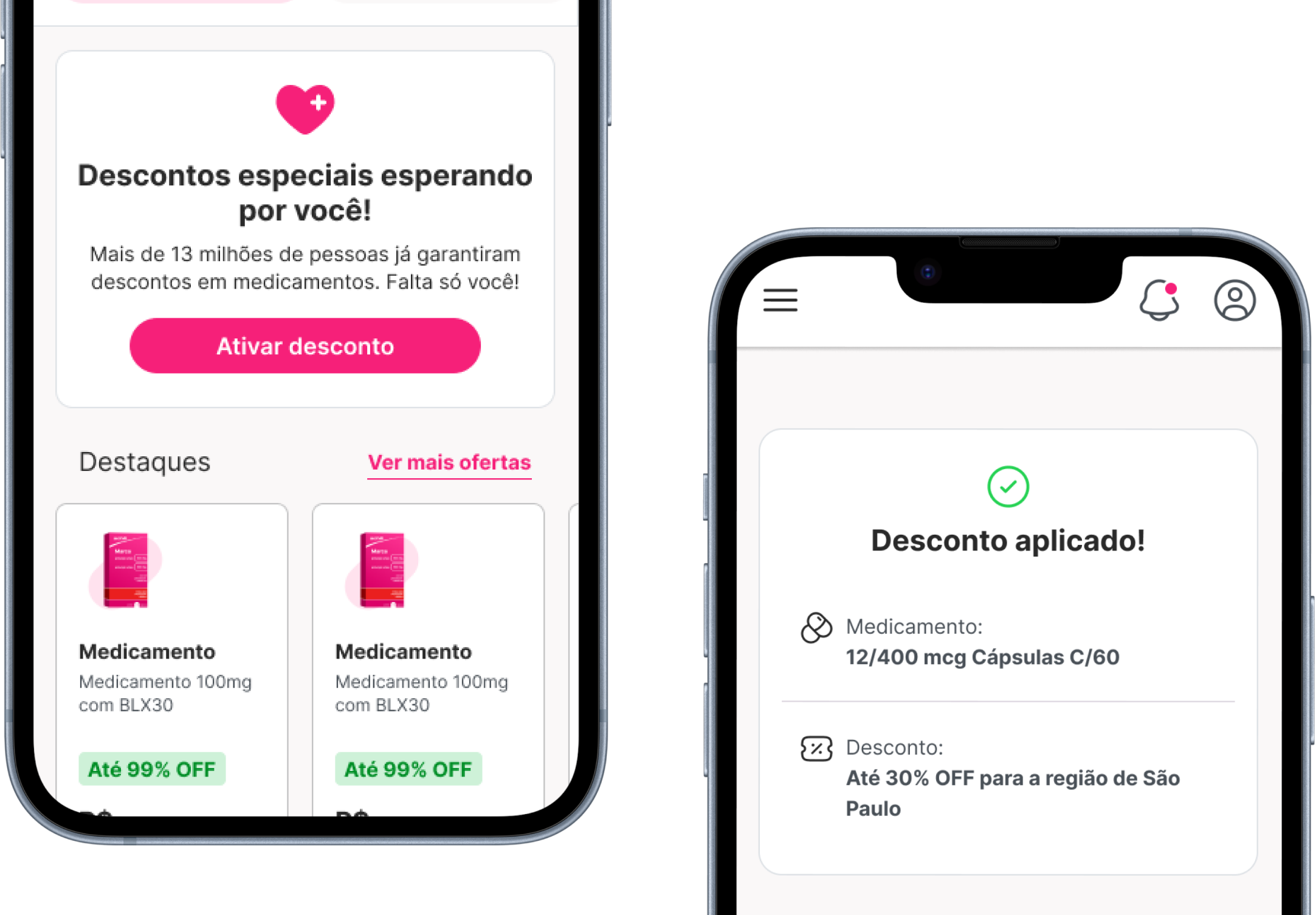
- Conversion rate increased from 16% to 57% in 7 months.
- We started running A/B tests to evaluate how smaller design changes affect conversion.
- We began making more data-driven design decisions, continuously tracking page and event tagging across the website.
Website Conversion Optimization
Boosted conversion from 16% to 57%, through research-driven, iterative design for a healthcare website.
Context
In Pharmaceutical Laboratories, we can't sell medicines directly on our website, we have to direct users to the e-commerce pharmacies partners.
The existing product detail pages (PDPs) had a low conversion rate — only 16% of users completed the conversion action for partner sites.
Challenge
The goal for the year was to achieve a 30% conversion rate on the Product Detail Page (PDP).
The goal of the project was to identify usability barriers and redesign the experience to increase conversion.
Understand the current state

Explore theproblem
Design thesolution
Measure theresults
Design Process
We adopted a data-informed design approach, combining quantitative analysis (Google Analytics, Hotjar) with qualitative research (usability testing and user interviews).
This allowed us to iterate prototypes quickly between discovery and delivery, validating hypotheses before moving into production.
Key insights
- Users don’t choose their medication — they find it. We needed to highlight search features and make navigation more intuitive.
- The “Golden Path” doesn’t always happen in practice. Many users, for example, navigate from the homepage directly to a PDP.
- Too many choices hurt conversion — the classic “paradox of choice.” We needed to reduce visible options and reveal them only when relevant.
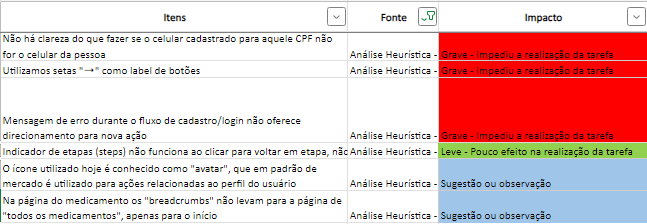
Heuristics Analysis
Usability Testing
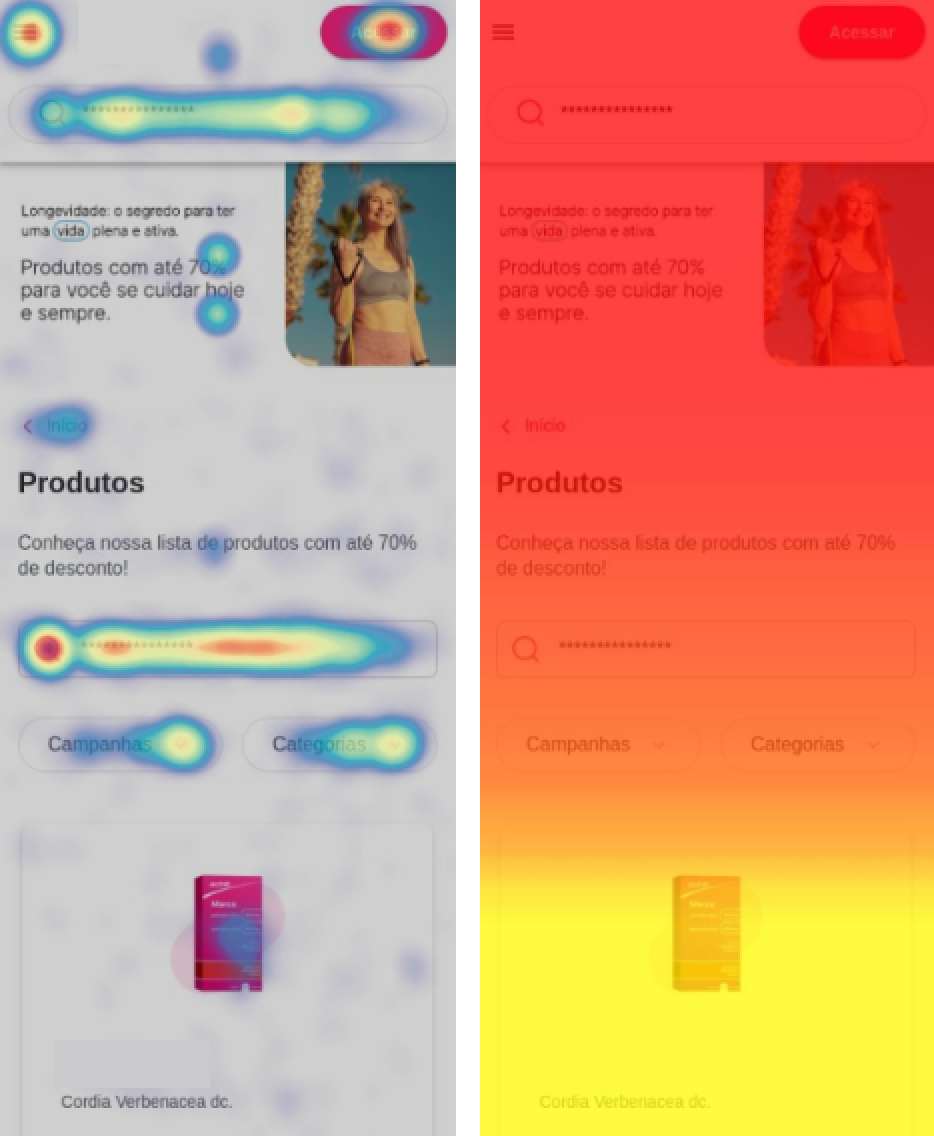
Hotjar Data
The Outcome
- Conversion rate increased from 16% to 57% in 7 months.
- We started running A/B tests to evaluate how smaller design changes affect conversion.
- We began making more data-driven design decisions, continuously tracking page and event tagging across the website.

Website Conversion Optimization
Boosted conversion from 16% to 57%, through research-driven, iterative design for a healthcare website.
Context
In Pharmaceutical Laboratories, we can't sell medicines directly on our website, we have to direct users to the e-commerce pharmacies partners.
The existing product detail pages (PDPs) had a low conversion rate — only 16% of users completed the conversion action for partner sites.
Challenge
The goal for the year was to achieve a 30% conversion rate on the Product Detail Page (PDP).
The goal of the project was to identify usability barriers and redesign the experience to increase conversion.
Understand the current state
Explore theproblem
Design thesolution
Measure theresults
Design Process
We adopted a data-informed design approach, combining quantitative analysis (Google Analytics, Hotjar) with qualitative research (usability testing and user interviews).
This allowed us to iterate prototypes quickly between discovery and delivery, validating hypotheses before moving into production.
Key insights
- Users don’t choose their medication — they find it. We needed to highlight search features and make navigation more intuitive.
- The “Golden Path” doesn’t always happen in practice. Many users, for example, navigate from the homepage directly to a PDP.
- Too many choices hurt conversion — the classic “paradox of choice.” We needed to reduce visible options and reveal them only when relevant.
Heuristics Analysis
Usability Testing
Hotjar Data
The Outcome
- Conversion rate increased from 16% to 57% in 7 months.
- We started running A/B tests to evaluate how smaller design changes affect conversion.
- We began making more data-driven design decisions, continuously tracking page and event tagging across the website.